Immigration Evaluations Bootcamp
A Step-by-Step Guide to Conducting Ethical and Defensible Immigration Evaluations
May 2, May 16, June 6; 2-5pm ET
Help Families Through Ethical, Defensible Immigration Evaluations That Make a Lasting Impact
Monica Oganes, Ph.D.
JOIN US
Are you a psychologist or school psychologist in private practice who wants to expand your practice with meaningful and in-demand services but don’t know how to get started?
Are you ready to help immigrant families through ethical and defensible evaluations?
This program, Immigration Evaluations Bootcamp: A Step-by-Step Guide for Psychologists and School Psychologists in Private Practice to Conduct Immigration Evaluations, gives you the tools, confidence, and knowledge you need to get started and provide asylum, hardship, and victim visa evaluations that attorneys trust.
In just three 3-hour sessions (May 2, May 16, June 6; 2-5pm ET), you’ll go from feeling uncertain about where to begin to having a clear roadmap to start conducting immigration evaluations with children and families, writing strong reports, and building referral relationships with attorneys. You’ll not only learn what to do, but you’ll also receive essential tools and resources, like intake questionnaires, informed consent templates, and report checklists, so you can start right away.
And the best part? Proceeds from this program will help support families in need for immigration evaluation services. It's a win-win.
Whether you’re a psychologist or school psychologist in private practice seeking to expand services or help the community, this program is designed to help you get started and guide you every step of the way.
JOIN US
Who This Course Is For
-
This Bootcamp is designed for psychologists and school psychologists in private practice who want to begin immigration evaluation work involving children and families in a thoughtful, ethical way.
This program is a good fit if you:
-
Have strong clinical training but are new to immigration evaluation work
-
Have solid assessment skills and experience in evaluating a broad range of clinical and developmental needs across the lifespan specific to your scope of practice, including neurodevelopmental conditions in children, as well as acquired, psychological, and trauma-related conditions in both children and adults, and other factors that may impact overall functioning
- Are able to conceptualize cases at both the individual and family level, including recognizing when disability-related needs are present
-
Want clear guidance on how to approach this work responsibly, without guesswork or shortcuts
-
Are looking to start conservatively and build experience with appropriate support
-
Important note: This training is designed to help you apply your existing clinical skills within the context of immigration evaluations. It does not cover foundational assessment or diagnostic training. Participants are expected to already be independently competent in clinical assessment and diagnosis/disability identification within their scope of practice.
If this describes you, the Immigration Evaluations Bootcamp was created for you.
JOIN US

Imagine This:
- You confidently complete your first immigration evaluation with a clear framework to follow.
- You have ready-to-use tools—intake questionnaires, informed consent forms, and report checklists—at your fingertips.
- You collaborate with attorneys who trust your work and begin receiving referrals.
- You expand your practice with a meaningful service that makes a real difference for immigrant families.
This bootcamp will show you how to get there, step by step.
Does This Sound Like You?
You want to expand your practice by offering immigration evaluations, but don’t know how to begin..
You feel uncertain about the process and have questions like:
- What types of immigration cases can I evaluate?
- What forms, templates, and assessments do I need?
- How do I write reports that attorneys will value and trust?
This Bootcamp will give you a step-by-step roadmap to conduct immigration evaluations with confidence. No more second-guessing—you’ll know exactly what to do and how to do it.
You’re confident in your clinical skills, but conducting immigration evaluations feels daunting.
If the thought of:
- Understanding different types of immigration cases
- Gathering culturally informed client histories
- Selecting appropriate assessment measures
- Writing defensible reports attorneys trust
..feels overwhelming
This Bootcamp breaks it all down into simple, actionable steps. You’ll also get ready-to-use tools —like intake questionnaires, informed consent forms, and report checklists—so you can focus on what you do best: helping children and families.
You’re ready to expand your practice in a way that meets a real and urgent need.
There are not enough trained psychologists and school psychologists in private practice providing immigration evaluations involving children and families, and this gap has real consequences for the communities affected.
If you’ve been looking for work that is both meaningful and professionally sustainable, you’re not alone.
-
This work can offer:
-
The opportunity to support children and families through evaluations that can have a lasting, positive impact
-
Greater flexibility in how you apply your clinical expertise within private practice
-
A way to responsibly diversify your services so you can sustain your practice while meeting community needs
This Bootcamp will guide you in beginning immigration evaluation work thoughtfully and ethically—so you can contribute where the need is greatest while building a practice that supports both your professional goals and the families you serve.
-
You’re not alone—And you don’t have to figure this out by yourself
The Immigration Evaluations Bootcamp is designed to help you move from uncertainty to clarity, so you can begin providing ethical, defensible evaluations involving children and families that attorneys trust. Whether you’re adding immigration evaluations as a new service or thoughtfully expanding into this area of work, this program will guide you step by step.
After Completing This Program, You Will Be Able To:

Start Conducting Immigration Evaluations With Confidence
➢ You’ll know how to start completing asylum, hardship, and victim visa evaluations ethically and effectively, without feeling overwhelmed or second-guessing your steps.
➢ You’ll have all the essential tools—like intake questionnaires, informed consent forms, and report checklists—ready to use from day one.

Work With Immigration Cases Ethically
➢ You’ll have good understanding of how to:
- Identify which immigration cases you can evaluate within your scope of practice and what each requires.
-
Gather comprehensive, culturally informed client histories.
-
Select appropriate assessment tools and write defensible reports attorneys trust.

Attract Referrals and Build Your Reputation
➢ You’ll know how to connect with immigration attorneys and present your services in an authentic, effective, and professional manner.
➢ You’ll create a strong professional brand that highlights your expertise in immigration evaluations and positions you as a trusted resource.
➢ You’ll learn strategies to maintain long-term referral relationships so attorneys continue sending clients your way.
We are confident...
By the end of this program, you’ll go from feeling uncertain about immigration work to having a clear, actionable plan to start conducting ethical, defensible evaluations. You’ll have the tools, confidence, and strategies to expand your practice while making a meaningful impact—helping immigrant families stay together and build safer futures.
JOIN US
From Witnessing Need to Building Ethical Support: Why I Created This Bootcamp
Over a decade ago, I began receiving more and more calls from attorneys and families who urgently needed immigration evaluations, especially cases involving children and families facing separation, trauma, and instability. I started doing a few evaluations a month but as time went by, the need was real, and it was growing. I conducted evaluations in English, Spanish, and other languages with interpreters.
But I also saw a painful gap: There were not enough psychologists and school psychologists in private practice trained to do this work ethically and defensibly. Many clinicians wanted to help, but they were unsure:
- Where to start with immigration evaluations
- How to structure interviews and documentation for cases involving children and families
- How to write reports that attorneys can rely on—without overstepping ethically
- How to do this work with cultural humility and clinical rigor
I work with a wonderful team of neuropsychologists and school psychologists in my practice. Over time, I developed a clear process, practical tools, and a framework grounded in ethical practice and real-world experience working with immigrant children and families. I testified in court many times. Using my training and skills was meaningful.
Most recently I encountered many families who needed support but could not afford it. The need was so great that it was difficult to help everyone who called for support and sustain my practice. I also got many requests by colleagues needing training, and it was impossible to help everyone one-on-one.
That’s why I created the Immigration Evaluations Bootcamp—to help psychologists and school psychologists in private practice develop the skills and ethical grounding needed to provide high-quality evaluations for immigrant children and families navigating life-changing legal processes, while using the funds to sustainably support both this work and our ongoing service to the community.
This program is designed to help you step into this work with clarity, compassion, and competence—so you can make a meaningful impact in the immigrant community. We need more psychologists and school psychologists in private practice doing this work!
JOIN USCore Elements of the Program

Live 2-Hour Training Sessions + 1-Hour Live Q&A
Each session includes 2 hours of focused, structured instruction covering the core elements of conducting ethical, defensible immigration evaluations involving children and families.
Immediately following the training, you’ll participate in a 1-hour live Q&A, where you can ask real questions, discuss clinical and ethical considerations, and receive guidance grounded in real-world immigration work.
These sessions are designed to balance clear instruction with applied discussion, so you can deepen your understanding while gaining confidence in how to handle actual cases.
Total time commitment: 3 hours per session, live and interactive.

Guided Frameworks and Professional Practice Tools
Immigration evaluations involving children and families are highly individualized. This program does not rely on rigid, one-size-fits-all templates.
Instead, you’ll receive guided frameworks and professional practice tools designed to support careful clinical judgment, ethical decision-making, and clear documentation across different types of immigration cases.
These include:
-
Sample informed consent language specific to immigration evaluations
-
Structured intake frameworks to guide comprehensive, culturally responsive history-taking
-
Report organization guides and checklists to support clarity, consistency, and defensibility
-
Practical tools that help you navigate ethical considerations while maintaining flexibility for each unique family
These materials are intended to support your clinical reasoning, not replace it—allowing you to approach each evaluation thoughtfully, responsibly, and with the level of care this work requires.

Ethical Visibility and Professional Outreach
This program includes guidance on how to make your services visible in ways that are ethical, respectful, and appropriate when working with immigrant children and families.
You’ll learn how to:
-
Communicate your role and expertise clearly to immigration attorneys so they understand when and how to refer cases
-
Describe your services to the public in a way that is transparent, trauma-informed, and professionally responsible
-
Establish professional relationships based on trust, boundaries, and clear expectations
-
Make your services known in ways that align with scope of practice, ethical guidelines, and professional responsibility
The focus is on professional outreach and collaboration, ensuring families and attorneys can find you when support is needed—while maintaining dignity, care, and ethical responsibility.

Access to Recorded Trainings
If you’re unable to attend a live session, you’ll still have full access to the training.
All live structured instruction sessions are recorded so you can review the material as needed and revisit key concepts at your own pace.
Recordings will remain available for one year, allowing you to return to the content as your work with immigration cases evolves.

Bonus: Complimentary Community Access (6 Months)
Enrollment in the Immigration Evaluations Bootcamp includes complimentary access to a private, moderated professional community for six (6) months.
This community is designed for psychologists and school psychologists in private practice who are engaged in immigration evaluation work with children and families. The space supports:
-
Thoughtful discussion of ethical and professional considerations
-
Peer connection and support for emotionally demanding work
-
Shared learning in a respectful, confidential, and moderated environment
Community access is provided as a complimentary bonus for six months. Continued access beyond this period may be offered in the future, with details shared separately.
What to expect inside the program
Each live session is 3 hours total (instruction and Q&A), intentionally structured into focused segments. This format allows for the right depth without overload and supports careful, ethical learning.

Asylum Evaluations
This session focuses on asylum cases involving children and families, with attention to trauma, development, and the evaluator’s professional role.
Understanding Asylum Through a Clinical Lens
-
Who seeks asylum and why, with emphasis on family and child contexts
-
Key terminology relevant to psychological evaluations
-
The psychologist’s role, scope, and ethical boundaries in asylum cases
-
Understanding how immigration-related trauma and instability affect children and caregivers
Conducting Child- and Family-Centered Asylum Evaluations
-
Trauma-informed interviewing with children and caregivers
-
Gathering comprehensive, culturally responsive background histories
-
Considering development, attachment, and family systems in clinical formulation
-
Thoughtful decision-making around assessment tools and methods
Writing Ethical, Defensible Asylum Reports
-
Organizing information clearly and professionally
-
Presenting clinical findings and assessment data responsibly
-
Addressing psycho-legal questions without advocacy or overreach
-
Common pitfalls in asylum reports—and how to avoid them

Hardship Evaluations
This session focuses on hardship evaluations in removal proceedings, where understanding the psychological and family impact on children and caregivers is central to the work.
Understanding Hardship Cases and Family Impact
- The purpose of hardship evaluations in immigration proceedings
- The psychologist’s role in documenting emotional, developmental, and relational impact
- Ethical considerations when evaluating family separation and caregiving disruption
Evaluating Psychological and Developmental Hardship
- Assessing emotional functioning, attachment, and family dynamics
- Gathering histories that capture cumulative and ongoing stressors
- Cultural and contextual considerations in hardship cases
Writing Clear and Defensible Hardship Reports
- Structuring reports to highlight psychological and family impact
- Presenting findings with clarity and restraint
- Avoiding overstatement and maintaining ethical boundaries

Victim Visa Evaluations
This session addresses evaluations related to victim visas, with emphasis on trauma-informed and developmentally appropriate practice.
Understanding Victim Visa Cases
-
Overview of victim-based immigration relief and psychological relevance
-
The evaluator’s role in documenting trauma and its impact
-
Ethical considerations when working with vulnerable populations
Conducting Trauma-Informed Evaluations
-
Interviewing children and families affected by violence or exploitation
-
Assessing trauma symptoms within developmental and cultural contexts
-
Considerations for language access and interpretation
Writing Trauma-Informed, Defensible Reports
-
Organizing trauma-related information responsibly
-
Presenting findings with sensitivity and clinical rigor
-
Avoiding retraumatization through documentation
Program Bonuses
Bonus training sessions and guidance will be provided within the Community
Bonus #1: Complimentary Community Access for 6 Months ($354 Value)
You will receive six (6) months of complimentary access to a private, moderated professional community for psychologists and school psychologists in private practice engaged in immigration evaluation work with children and families.
This community is designed to:
-
Provide professional connection and peer support for complex, emotionally demanding work
-
Foster thoughtful discussion around ethical considerations and general best practices
-
Support shared learning and reflection while maintaining appropriate professional boundaries and confidentiality
The community is discussion-based and moderated, with an emphasis on general professional considerations rather than individualized case consultation. Participation in the community does not constitute supervision or clinical oversight.
Participation is optional and guided by clear community guidelines to protect privacy and uphold professional standards.
Complimentary access is provided for six months. Continued access beyond this period may be offered in the future, with details shared separately.
Bonus #2: Working Effectively With Interpreters in Immigration Evaluations
You’ll receive focused guidance in the community on working effectively with interpreters during immigration evaluations involving children and families.
This bonus training addresses:
-
When and how to use interpreters appropriately in immigration evaluations
-
Ethical considerations related to confidentiality, accuracy, and boundaries
-
Supporting trauma-informed communication when working through an interpreter
-
Considerations for working with children, caregivers, and families across languages
-
Common challenges—and how to navigate them thoughtfully and professionally
This bonus is designed to support culturally responsive, ethical practice when language access is essential to providing accurate and respectful evaluations.
Bonus #3: Attorney Communication & Professional Collaboration
You will receive guidance in the community on how to communicate effectively and professionally with immigration attorneys while maintaining clear ethical boundaries.
This bonus focuses on:
-
How to describe your role and scope as a psychologist conducting immigration evaluations
-
Communicating expectations around referrals, timelines, and documentation
-
Establishing professional boundaries and avoiding role confusion
-
Building collaborative, respectful relationships with attorneys
-
Presenting your services clearly without marketing to vulnerable families
This guidance is designed to help attorneys understand when and how to refer cases to you—while ensuring your work remains ethical, professional, and centered on the needs of children and families.
Bonus #4: Ethical Boundaries & Scope of Practice in Immigration Evaluations
You will receive focused guidance in the community on navigating ethical boundaries and scope of practice when conducting immigration evaluations involving children and families.
This bonus addresses:
-
Clarifying the psychologist’s role in immigration cases and avoiding role confusion
-
Understanding scope of practice when working at the intersection of clinical care and legal processes
-
Maintaining ethical boundaries with attorneys, families, and referral sources
-
Avoiding common ethical pitfalls in immigration evaluations
-
Supporting vulnerable children and families while maintaining professional objectivity
This bonus is designed to help you approach immigration evaluations with clarity, confidence, and integrity—so your work remains ethically sound, defensible, and aligned with professional standards.

Your Fit & Alignment Guarantee
I want you to feel confident that this program is the right fit for your professional goals and scope of practice.
If, after the completion of Week 1, you determine that the Immigration Evaluations Bootcamp is not aligned with your expectations or professional needs, you may request a full refund by emailing me within 24 hours of the first live session.
This guarantee is designed to give you the opportunity to engage with the foundational content and make an informed decision, without pressure, while maintaining the integrity of the program.
Frequently Asked Questions
What if I don’t have a lot of time to commit to this program or attend live?
I’ve never done immigration evaluations before—will this work for me?
I’m worried about spending the money—what if this program isn’t worth it for me?
Is this an introductory course, or advanced training?
Do I need to invest in new tools or materials to begin immigration evaluations?
Can I conduct immigration evaluations if I’m not multilingual?
What kind of support will I receive during the program?
Can I get personalized support or one-on-one training?
Hello! I'm Monica.
My professional training includes an education specialist degree in School Psychology and a doctoral degree in Clinical Psychology (Ph.D.) with a concentration in Neuropsychology. I completed my neuropsychology internship at Jackson Memorial Hospital / University of Miami. I worked in the schools for a decade, hospital settings, followed by fifteen+ years in private practice, with offices in Miami and Orlando.
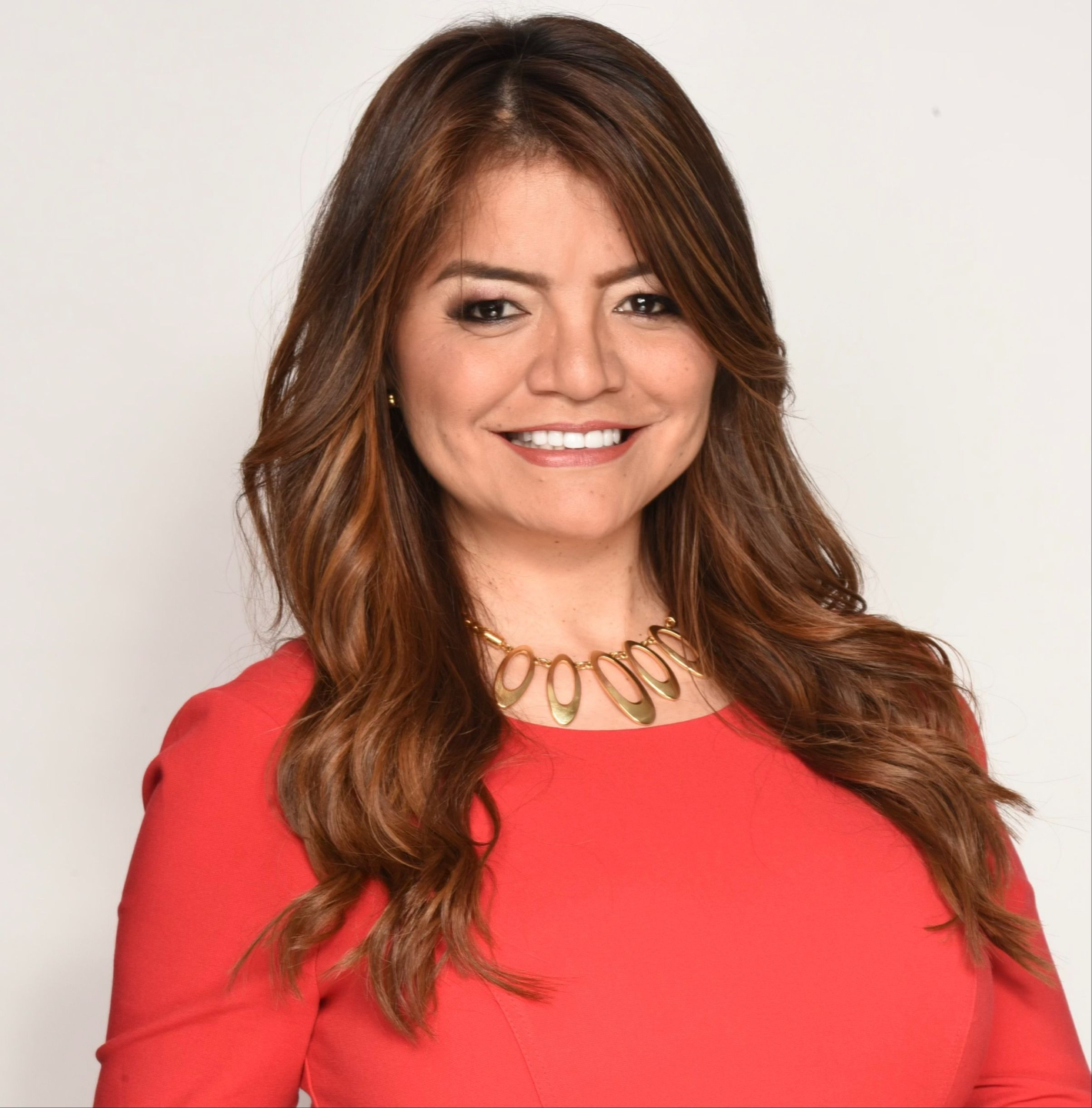
Through my work in schools, I developed extensive experience working with multilingual and multicultural children and families. In private practice, my clinical work expanded to include children, adolescents, adults, and entire family systems, with a focus on adjustment, trauma, and complex psychosocial stressors, including those related to immigration and acculturation. Alongside my clinical work, I have provided training to psychologists, neuropsychologists, and school psychologists for over fifteen years. I am the author of books on immigration-related psychological practice and am currently working on two book chapters in this area. I have also authored book chapters on school neuropsychology and have presented nationally and internationally on bilingual assessment and immigration-related psychological practice at APA continuing education workshops, NASP conferences, medical institutions, and school districts.
I currently lead a private practice that includes a team of neuropsychologists and school psychologists. Our practice has worked closely with attorneys to provide immigration evaluations for children and families, offered consultation on complex cases, and provided expert testimony in immigration court. The Immigration Evaluations Bootcamp was created in response to repeated requests from colleagues seeking structured, foundational training and in recognition of the ongoing shortage of psychologists and school psychologists prepared to conduct ethical immigration evaluations involving children and families.
This program reflects my commitment to supporting clinicians in beginning this work responsibly and expanding access to high-quality psychological evaluations for immigrant children and families.
“There is a growing need for well-trained psychologists to provide ethical, high-quality immigration evaluations for children and families. I invite you to join me in meeting this need with care, rigor, and professional responsibility.”
--Dr. Monica Oganes
Immigration Evaluations Bootcamp Commencing
ENROLLMENT CLOSES IN...
00
DAYS
00
HOURS
00
MINS
00
SECS